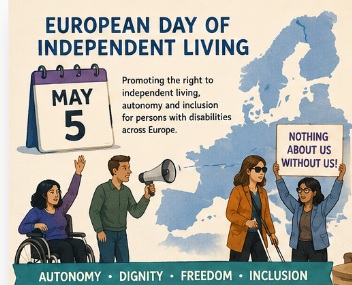
The European Day of Independent Living was started by the European Network for Independent Living, ENIL, in 2014. It is celebrated every year on May 5. On that day, people across Europe organize activities such as press conferences, online campaigns, and conventions. These aim to highlight the importance of autonomy for persons with disabilities and to promote their right to independent living and inclusion in the community.
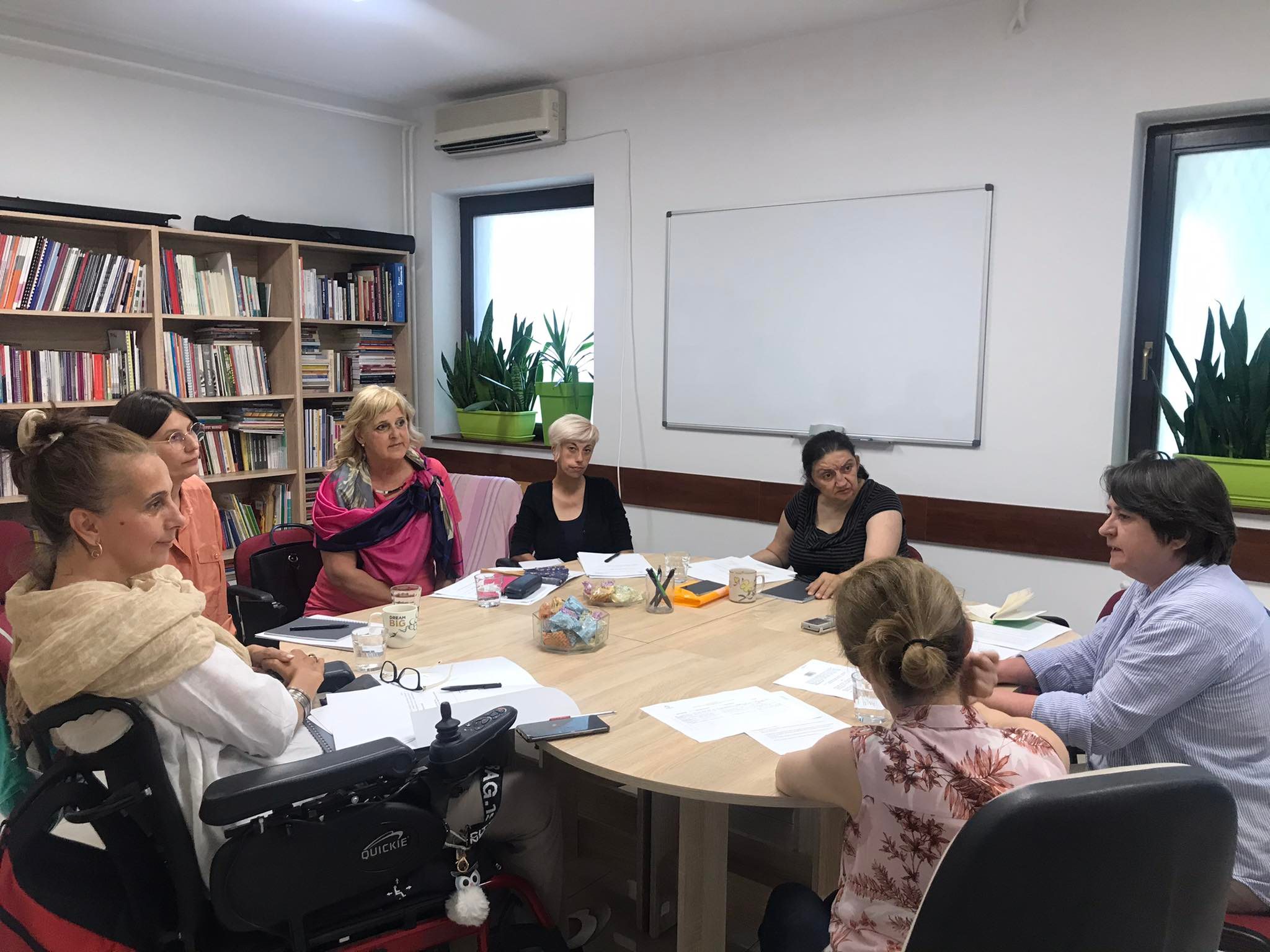
The Center for Independent Living of Persons with Disabilities Serbia and IZ KRUGA VOJVODINA organized a public debate titled Women with Disabilities and Independent Living at the Center for Professional Development Čačak on May 5, 2026 honoring the European Day of Independent Living. The theme this year stresses the substantial role of women with disabilities in shaping the community and advocating for the rights to be independent of persons with disabilities. The event is honoring the memory of Gordana Rajkov, a woman who brought the philosophy of independent living to Serbia and the region and galvanized the development of services for independent living of persons with disabilities.
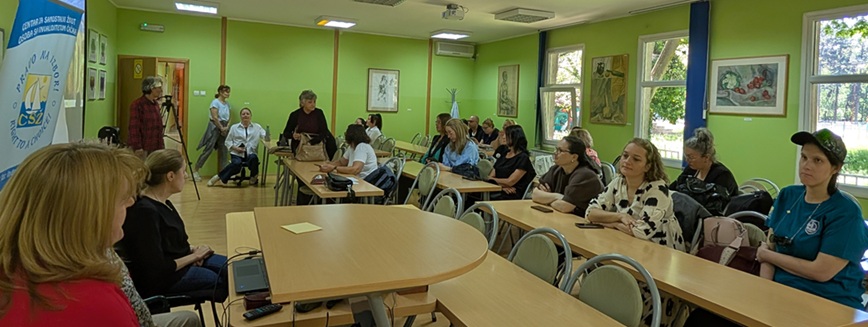
The speakers at the debate were Mimica Zivadinovic, Milena Stojanovic, Svjetlana Timotic, and Slavica Milojevic. The participants were representatives of the centers for independent living of persons with disabilities from Serbia and representatives of other organizations for persons with disabilities from Čačak.
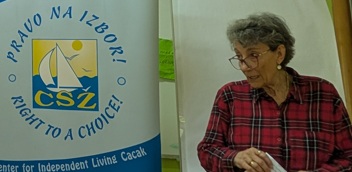
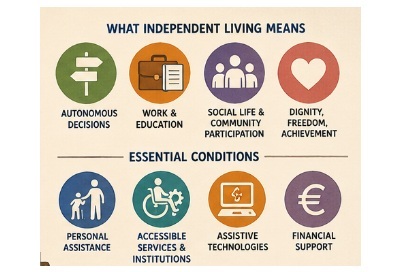
Mimica Zivadinovic, vice president of the Center for Independent Living of Persons with Disabilities Serbia, shared responses from 60 women with disabilities about what independent living means to them and what they consider essential for living independently. For women with disabilities, independent living signifies making autonomous decisions and having control over their own lives. Aside from work and education—, which they view as fundamental—most women connect independence to social life and community participation. Independent living has a strong influence on the emotional aspect: dignity, freedom, and a sense of achievement. Women with disabilities find accessible public institutions and services to be an essential condition for independence. Community services, such as personal assistance, technical support, access to assistive technologies, and financial aid for other supportive activities, are essential.
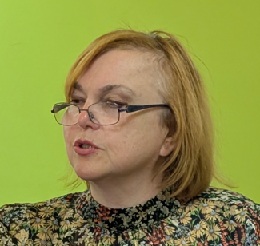
Milena Stojanovic, the president of the Center for Independent Living of Persons with Disabilities Serbia, pointed out that Article 19 of the Convention on the Rights of Persons with Disabilities guarantees the right of every person with disabilities to choose where and with whom they will live, on an equal basis with others, without coercing them to live in institutions. She emphasized that this right implies real choices, not just its formal recognition. Referring to General Comment No. 5 of the Committee for the Rights of Persons with Disabilities, Milena Stojanovic additionally pointed out that states have an obligation to develop accessible and diverse communal support services, including personal assistance, so that people with disabilities can truly live independently and be included in society. Without such services, the right from Article 19 stays unrealized in practice.
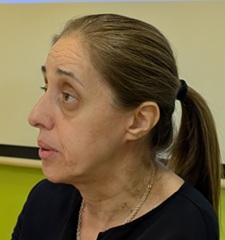
Svjetlana Timotic, an executive director of IZ KRUGA VOJVODINA, gave a speech themed How women with disabilities experience independent living in the context of gender and social limitations. She pointed out, in her address, that women with disabilities often observe independent living through a complex intertwining of gender and social barriers, which additionally narrow their space of choice and autonomy. She highlighted that women are, more often than not, expected to be passive and dependent, while at the same time, have less access to resources, support, and opportunities to make decisions in their own lives. She especially emphasized that violence, economic dependence, and the lack of gender-sensitive support services make it even more difficult to live an independent life. Svjetlana Timotic concluded that without the recognition of specific experiences of women with disabilities and the development of inclusive, gender based policies and services, the idea of independent living stays out of reach for many.

Slavica Milojevic, from The Republic Institute for Social Protection, highlighted that the most common barriers to the realization of the right to independent living of persons with disabilities are institutional and normative, but in her opinion, invisible barriers, such as misunderstanding and ignorance, are at the root of all issues. Slavica Milojevic also stressed the importance of including the organizations of persons with disabilities in the development of strategic documents and disability policies. She pointed out, multiple times, that decision makers and policy creators should educate themselves about the needs of persons with disabilities, and that representatives of persons with disabilities should continuously educate decision makers and policymakers to a greater awareness and understanding of the needs and guaranteed rights of persons with disabilities.
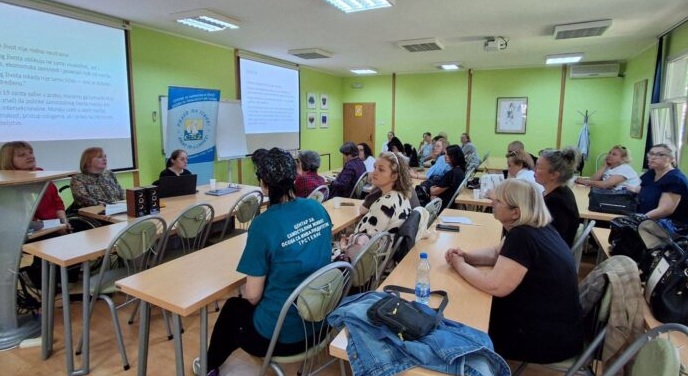
Participants in the discussion shared their experiences in exercising the right to independent living, highlighting the need for further development of diverse support services for persons with disabilities. They also stressed the importance of utilizing the resources of organizations of persons with disabilities when creating policies, as well as ensuring the inclusion of women with disabilities in decision-making processes. Results from this public debate were summarized in a letter, which will be sent to local government decision makers as an appeal to take action toward developing support services for independent living.